

ODM Group Launches a 10-Step Guide to Running Successful Promotional Campaigns
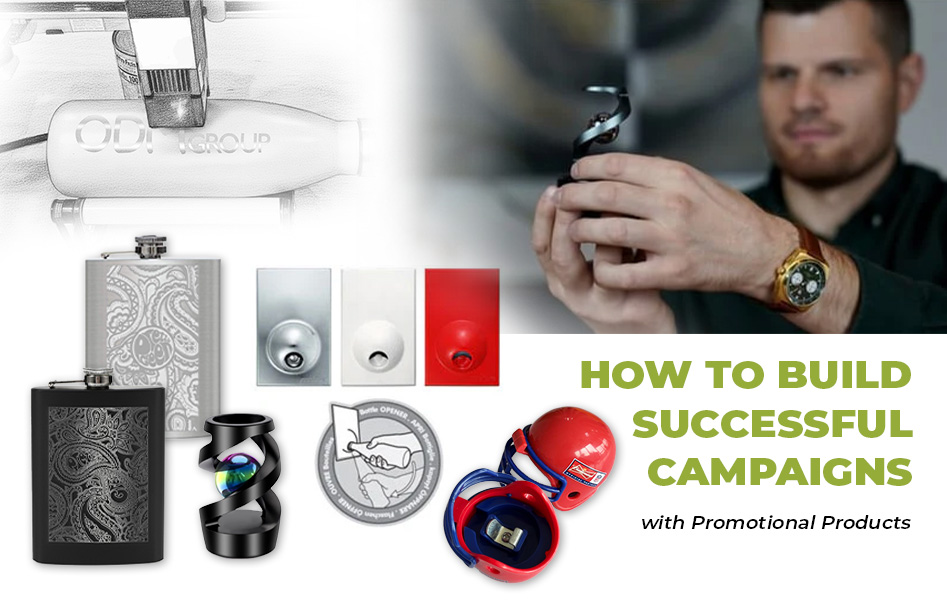
From concept sketches to material decisions, designing campaigns that deliver long-term impact.
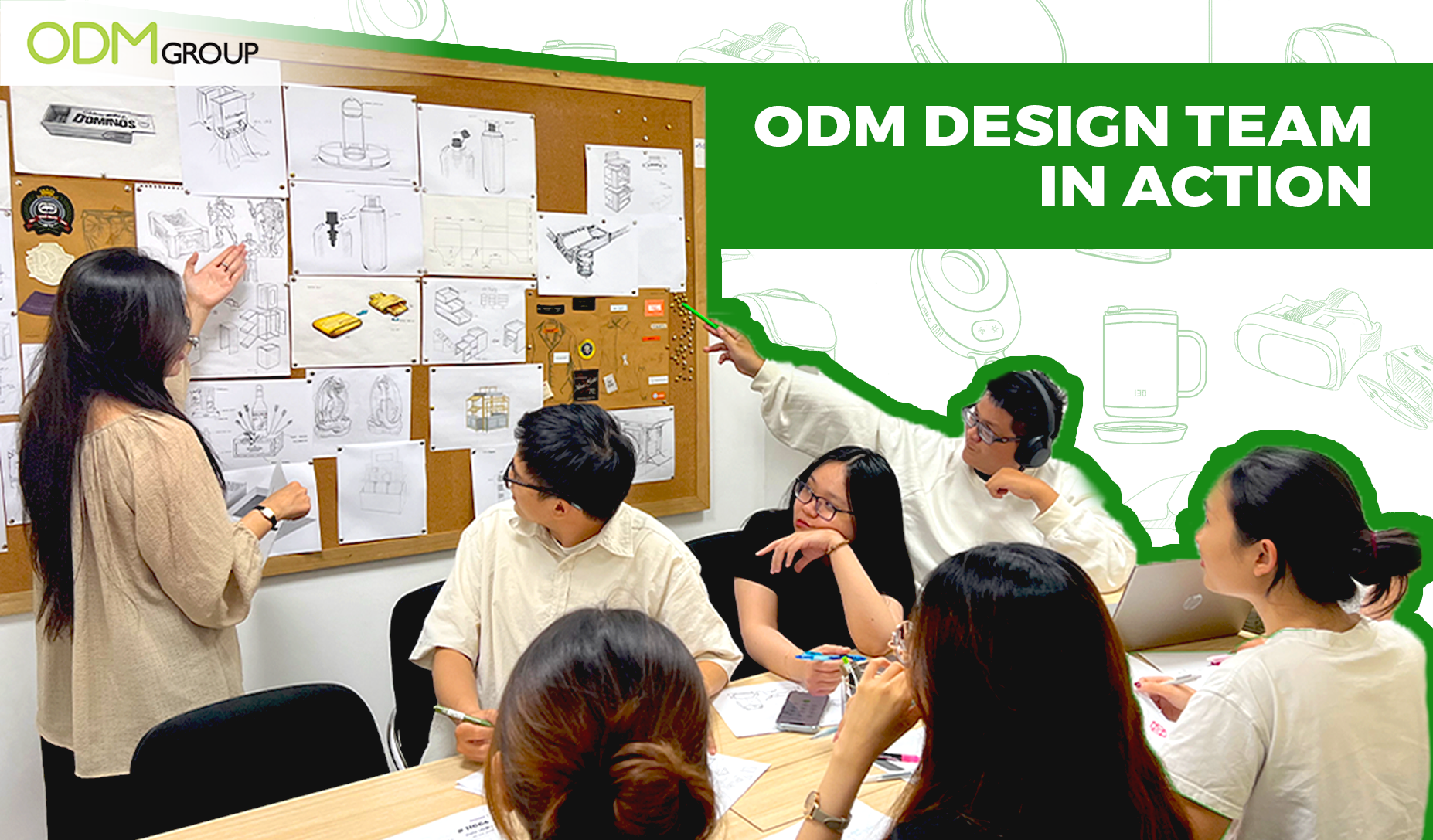
From sketch to specification, collaborative design thinking at ODM Group.
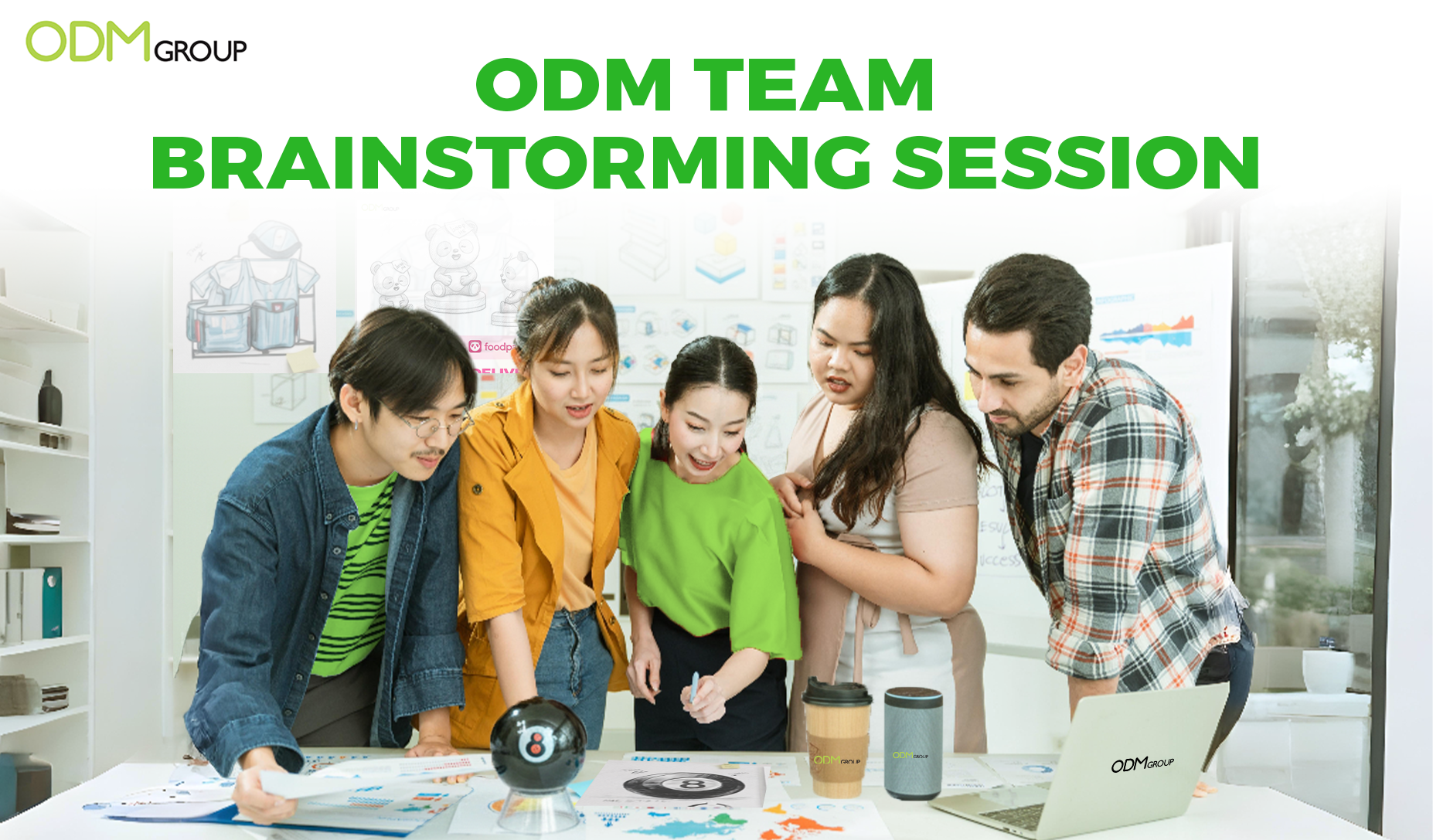
Collaborative brainstorming that turns brand objectives into tangible promotional product ideas
A step-by-step framework helping brands plan, execute, and manage promotional campaigns with greater consistency, efficiency, and long-term impact.
NY, UNITED STATES, January 22, 2026 /EINPresswire.com/ -- Promotional campaigns are no longer judged solely by creativity or reach. As brands expand across markets and channels, success increasingly depends on execution; how ideas are designed, produced, delivered, and sustained over time.Expectations of promotional product partners have shifted. Brands now prioritize end-to-end partners over transactional suppliers, with growing emphasis on sustainable manufacturing, transparent production processes, and reliable global delivery.
At The ODM Group, this shift shapes how clients evaluate partners before launching a campaign. The following ten-step framework outlines how leading brands assess promotional product partners today and what it takes to deliver results without unnecessary risk.
*Step 1: Clear Design-to-Production Integration
Successful campaigns begin with a design that understands production realities. Brands increasingly expect partners to bridge the gap between creative intent and manufacturability from day one.
This means design teams work alongside production specialists, ensuring materials, structures, finishes, and branding techniques are executed accurately at scale. When design and production operate in silos, delays and rework become inevitable.
Integrated design-to-production workflows reduce friction, accelerate timelines, and protect the original concept.
*Step 2: Early Technical Validation
Before a campaign moves forward, brands expect technical feasibility to be validated early. This includes material suitability, construction methods, durability, and performance under real-world use.
Early validation helps avoid costly changes later in the process and ensures the final product meets both functional and aesthetic expectations. For complex promotional items, this step is critical in maintaining campaign momentum.
*Step 3: Quality Assurance as a Standard, Not an Add-On
Quality is no longer negotiable. Brands expect consistent quality systems embedded throughout production, not applied only at final inspection.
This includes precise specifications, controlled sampling, in-process checks, and documented quality control inspections at key production stages. For global campaigns, consistency across batches and regions is essential. A structured quality framework protects brand reputation and ensures promotional products reflect the same standards as core offerings.
*Step 4: Compliance Built Into the Process
As regulations vary across markets, compliance has become a core expectation rather than a specialist add-on. Brands need assurance that promotional products meet applicable safety, material, and labeling requirements before they reach the market.
Partners are expected to understand compliance requirements across industries and regions and to incorporate these considerations early in development.
This proactive approach reduces delays, avoids rework, and minimizes regulatory risk.
*Step 5: Structured Production Management
Promotional campaigns often involve tight timelines and multiple deliverables. Brands expect partners to manage production with clear milestones, realistic schedules, and transparent communication.
Effective production management ensures alignment between design intent, manufacturing output, and campaign deadlines. It also provides brands with visibility and confidence throughout the process.
*Step 6: Risk Reduction Through Process Control
Risk in promotional campaigns can take many forms, including quality issues, delays, inconsistencies, and unexpected cost increases. Brands increasingly evaluate partners based on their ability to anticipate and manage these risks.
Standardized processes, documented workflows, and experienced oversight all help reduce uncertainty. When risks are identified early and addressed methodically, campaigns run more smoothly and predictably.
*Step 7: Consistency Across Campaigns and Markets
For brands operating across multiple campaigns or regions, consistency is critical. Promotional products must deliver the same look, feel, and performance regardless of volume or destination.
Partners are expected to maintain consistent standards across production runs and support repeat campaigns without degrading quality or execution.
Consistency builds trust, not only with consumers but also within internal brand teams.
*Step 8: Scalability Without Compromise
As campaigns grow, brands expect partners to scale production without compromising quality or timelines. This requires systems, experience, and capacity planning, not ad hoc solutions.
Scalable execution enables brands to respond to demand, expand campaigns, and adapt strategies without disrupting the process.
*Step 9: Accountability and Transparency
Modern brand teams value partners who take ownership of outcomes. Clear communication, realistic commitments, and transparency around challenges are essential.
This accountability extends across production, quality, and logistics, including proactive coordination when shipping branded items across multiple markets with varying timelines and requirements.
*Step 10: A Long-Term Partnership Mindset
Ultimately, the most successful promotional campaigns are built on long-term partnerships rather than one-off transactions.
Brands increasingly assess partners based on their ability to support evolving needs, adapt to new campaign objectives, and continuously improve execution. A long-term mindset enables better planning, more substantial alignment, and more efficient collaboration over time.
Why Expectations Have Changed
The shift toward end-to-end partner expectations reflects broader changes in how brands operate. Marketing campaigns are more integrated, timelines are tighter, and reputational risk is higher.
Promotional products are no longer peripheral. They are brand touchpoints that must meet the same standards as any other customer-facing asset.
From Execution to Strategic Support
At The ODM Group, we work with brands that view promotional campaigns as strategic initiatives, not isolated projects. By aligning design, production, quality, and compliance within a single execution framework, brands can reduce risk and improve outcomes.
As expectations continue to rise, the ability to deliver consistently across campaigns, markets, and timelines will define successful promotional partnerships.
About The ODM Group
The ODM Group is a global partner specializing in custom-designed promotional products and campaign execution. Supporting clients across business, manufacturing, and marketing sectors, we focus on design-led development, quality-driven production, and reliable delivery to help brands execute campaigns with confidence.
Eloise Vo
The ODM Group
+84 28 7300 6809
info@theodmgroup.com
Visit us on social media:
LinkedIn
Instagram
Facebook
YouTube
TikTok
X
Other
Legal Disclaimer:
EIN Presswire provides this news content "as is" without warranty of any kind. We do not accept any responsibility or liability for the accuracy, content, images, videos, licenses, completeness, legality, or reliability of the information contained in this article. If you have any complaints or copyright issues related to this article, kindly contact the author above.
